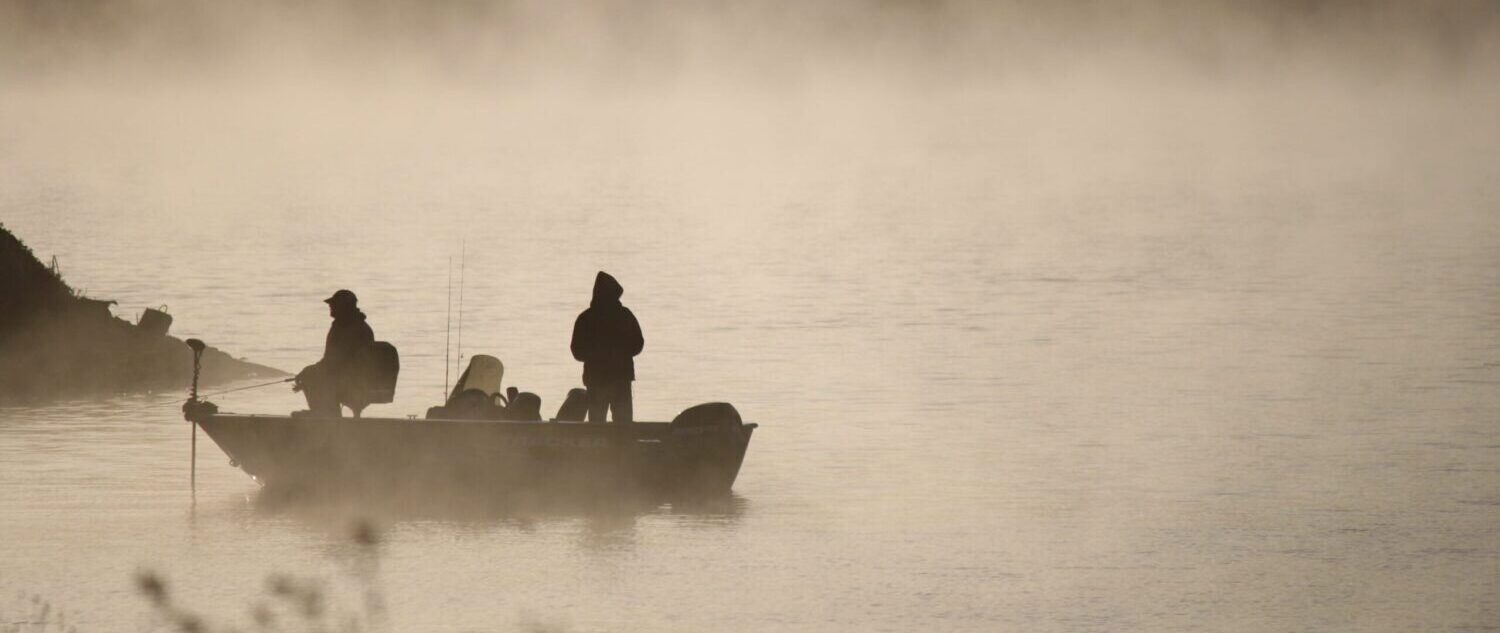
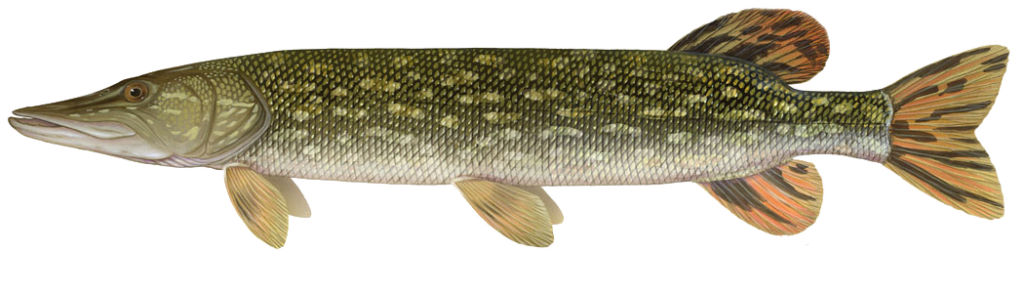
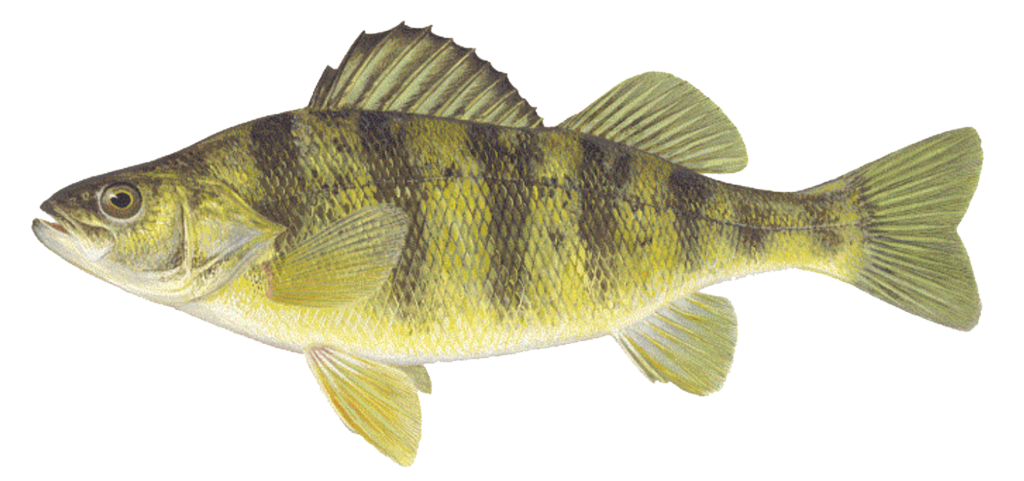
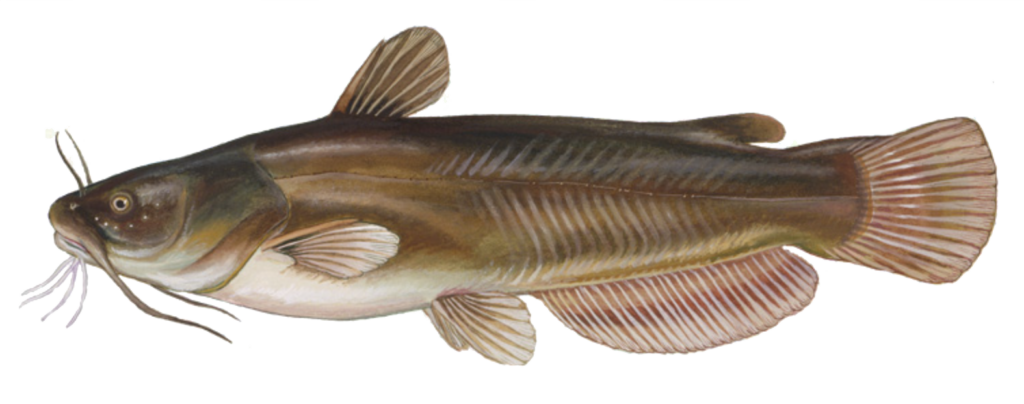
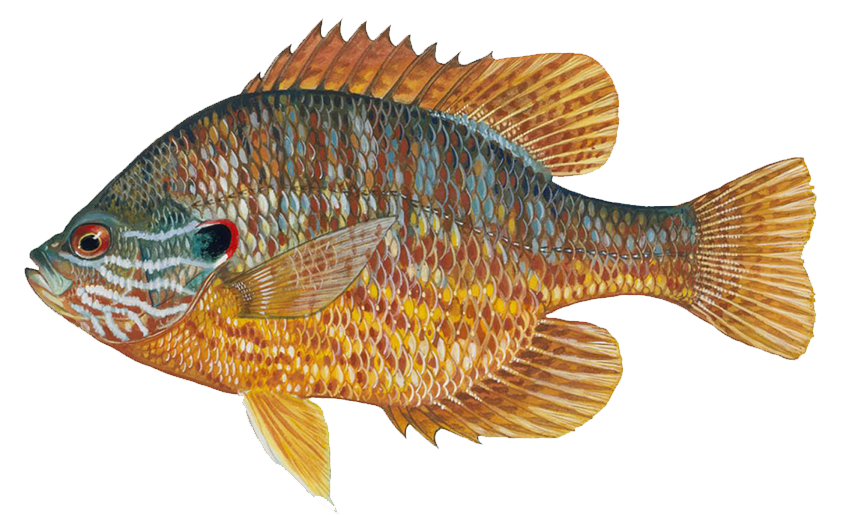
Fishing on Friends Lake in the Adirondacks offers a serene and picturesque experience for anglers of all skill levels. Nestled amidst the stunning natural beauty of the Adirondack Mountains, this clear, pristine lake is home to a variety of fish species, including lake trout, bass, and perch. Whether you prefer casting from the shore, fishing from a boat, or simply enjoying the peaceful surroundings, Friends Lake provides a tranquil escape with plenty of opportunities to reel in your next catch.
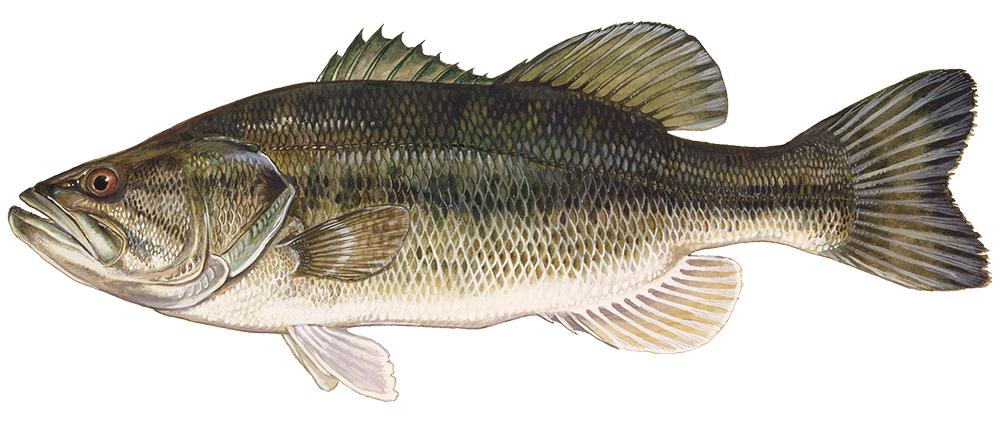
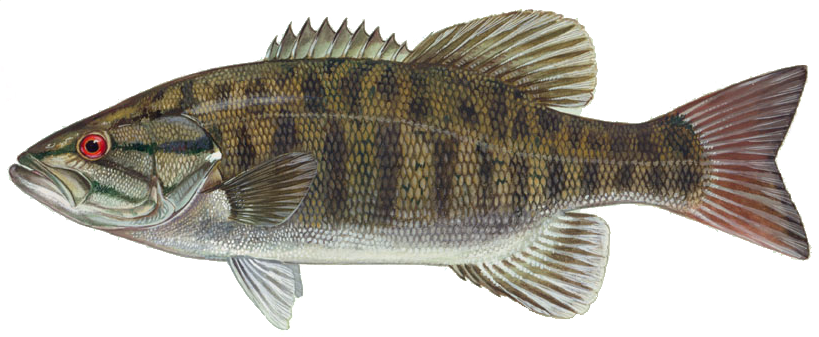
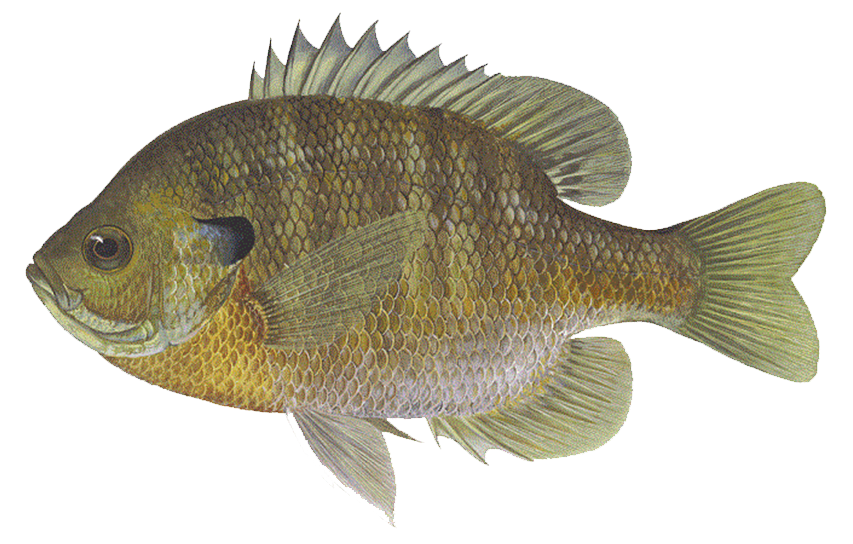
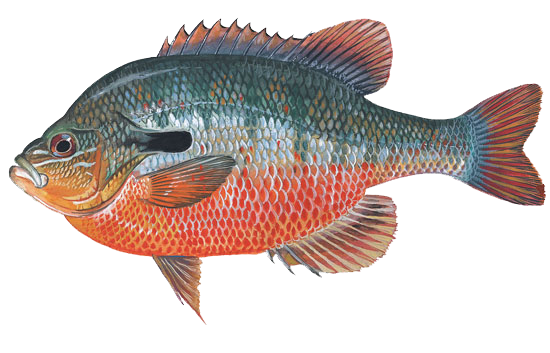
Types of Fish in Friends Lake
Be on the lookout for these aquatic invasive species of concern
Anglers should be aware of the threat posed by invasive species in aquatic ecosystems. These non-native plants, animals, and microorganisms can disrupt local fisheries, damage habitats, and harm biodiversity. Some species can rapidly spread, clogging waterways, outcompeting native organisms, and affecting the health of aquatic life. Others can impact water quality, block sunlight, and deplete oxygen, creating an environment that is less hospitable for native species. To help protect these ecosystems, anglers should take preventive measures such as cleaning boats and gear, draining all water from vessels, and adhering to local regulations regarding the transport of fish and plants. Being proactive in preventing the spread of invasive species is key to preserving healthy aquatic environments.
Eurasian Watermilfoil
European Water Chestnut
Curly Leaf Pondweed
European Frog-bit
Fanwort
Hydrilla
Starry Stonewort
Variable-leaf Watermilfoil
Zebra Mussel
Asian Clam
Chinese Mystery Snail
Fishhook Water Flea
Quagga Mussel
Round Goby
Rusty Crayfish
Spiny Water Flea
What anglers can do to prevent the spread
Help stop the spread of aquatic invasive species and fish diseases. Invasive species like zebra mussels and Eurasian watermilfoil, as well as diseases like viral hemorrhagic septicemia (VHS), can be transferred through contaminated boating and fishing equipment. Follow these simple steps to keep our waters safe:
- Clean Your Gear
After every fishing trip, thoroughly clean your boat, fishing equipment, and gear. This includes wiping down rods, reels, and tackle boxes, as well as scrubbing any visible plant matter, mud, or debris from boats and trailers. Be sure to clean any fishing nets, live wells, and bait buckets. - Drain All Water
Prevent water transfer: Ensure that no water drains from your boat into a new body of water. Always drain all water from your boat, including the bilge, live wells, and bait buckets, before leaving a body of water. This prevents the accidental transport of aquatic species from one location to another. Empty water from coolers, tanks, and hoses as well. - Dry Your Equipment
Let your gear dry completely before using it in another body of water. Many invasive species, such as certain aquatic plants and microscopic organisms, can survive for days or even weeks in moist conditions. Drying your equipment for at least 5 days can significantly reduce the risk of transporting AIS. For hard-to-dry equipment, additional drying time may be necessary. - Disinfect When Necessary
If you can’t wait for items to dry completely, disinfect them instead. Use one of these methods:- Hot water over 140°F (most tap water is 120°F–130°F).
- Steam cleaning.
- 2% bleach solution (3 ounces of bleach per gallon of water).
- Soak equipment: 30 seconds in 140°F hot water. 10 minutes in a 2% bleach solution. Important: Dispose of bleach or cleaning solutions safely, away from any water body, and according to label instructions.
- Dispose of Bait Properly
Never release unused bait or fish into the water. Certain live bait species, when released into new waters, can become invasive and cause long-term ecological damage. Use only native or locally sourced bait and dispose of any leftover bait in the trash, not in the water. - Follow Local Regulations
Be aware of and follow local regulations related to AIS. Many regions have specific rules about the use of certain baits, watercraft cleaning requirements, or restrictions on transporting fish and plants. These regulations are in place to help protect local ecosystems from the spread of AIS. - Report Invasive Species
If you encounter an invasive species while fishing, report it to local authorities or environmental organizations. Many areas have hotlines or online reporting systems that help track and manage AIS populations. - Educate Yourself and Others
Stay informed about the types of AIS in your region and educate others in your angling community. Awareness is the first step in preventing the spread of harmful species, and the more people who are knowledgeable about the issue, the more effective the prevention efforts will be.
By following these simple yet effective steps, you can help protect aquatic ecosystems and preserve the health of our waters for future generations of anglers. Your actions make a difference!